Best Compact Espresso Machines for Small Kitchens
As an Amazon Associate I earn from qualifying purchases.
Small kitchens do not have to mean bad coffee. The best compact espresso machines prove that a tiny footprint can still deliver rich crema, silky steamed milk, and a proper morning ritual. If your counter space is limited but your standards are not, a compact machine is the answer, and choosing the right one comes down to a few key details that matter far more than brand names or flashy features.
Why Size Matters More Than You Think
In a small kitchen, every centimetre of counter counts. A compact espresso machine should fit comfortably under your wall cabinets, leave room for a grinder or a mug tree, and still be easy to reach for daily use. But small must not mean flimsy. The best compact espresso machines use a solid build and a proper pump to push hot water through finely ground coffee at the right pressure, which is what creates real espresso rather than strong drip coffee. Look for a machine that feels sturdy when you lock in the portafilter, because a wobbly machine makes every morning harder than it needs to be.
Pressure and Temperature: The Two Numbers That Count
Espresso needs pressure and stable temperature. A pump that reaches the standard brewing pressure extracts the oils and aromas that give espresso its flavour, while a machine that swings hot and cold will give you sour shots one day and bitter shots the next. Compact machines have improved enormously here, and many now hold temperature well enough for consistent results. A built-in pressure gauge is a bonus rather than a necessity, but it does help beginners see what is happening during a shot and learn faster.
The Milk Frother Question
If you love lattes, flat whites, or cappuccinos, the steam wand matters as much as the espresso itself. A good steam wand produces fine, velvety microfoam rather than big bubbly foam, and it should be easy to control. Some compact machines use a simple frothing wand that is forgiving for beginners, while others have a more powerful wand that rewards practice with café-quality texture. Think honestly about how often you drink milk-based coffee. If the answer is every day, prioritise the wand. If you mostly drink straight espresso or americanos, a simpler setup is fine.
Grinder or No Grinder?
Most compact espresso machines do not include a built-in grinder, and that is often a good thing. A separate grinder gives you more control and lets you upgrade one piece at a time. Freshly ground beans make a bigger difference to taste than almost any other factor, so budget for a decent grinder alongside the machine. Machines that accept ground coffee and pods offer flexibility, which is useful when you are short on time or still learning. Whichever route you choose, use fresh beans and grind just before brewing for the best flavour.
Ease of Cleaning and Daily Use
A machine you use every day must be easy to live with. Check the size of the water tank and how easy it is to remove and refill, because a tiny tank that needs constant refilling gets old fast. A removable drip tray makes cleaning simple, and a machine that is easy to wipe down will stay looking good for years. Descaling reminders and straightforward maintenance are worth more than extra buttons you will never press. The best compact espresso machines are the ones that fit into your morning without friction, so you actually use them instead of reaching for instant coffee on busy days.
Our Top Pick for Small Kitchens
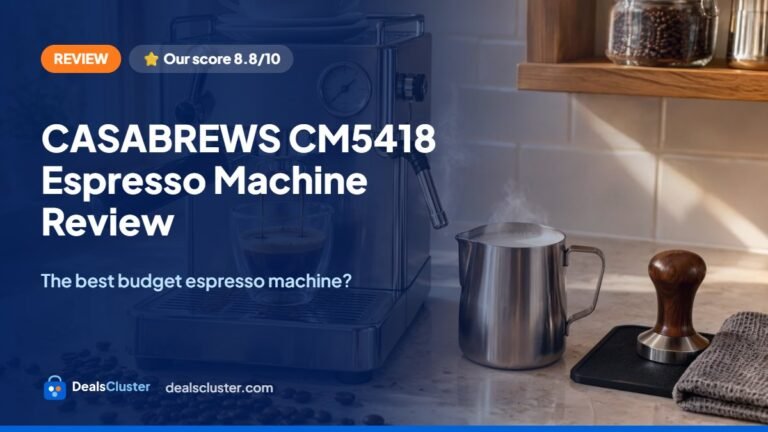
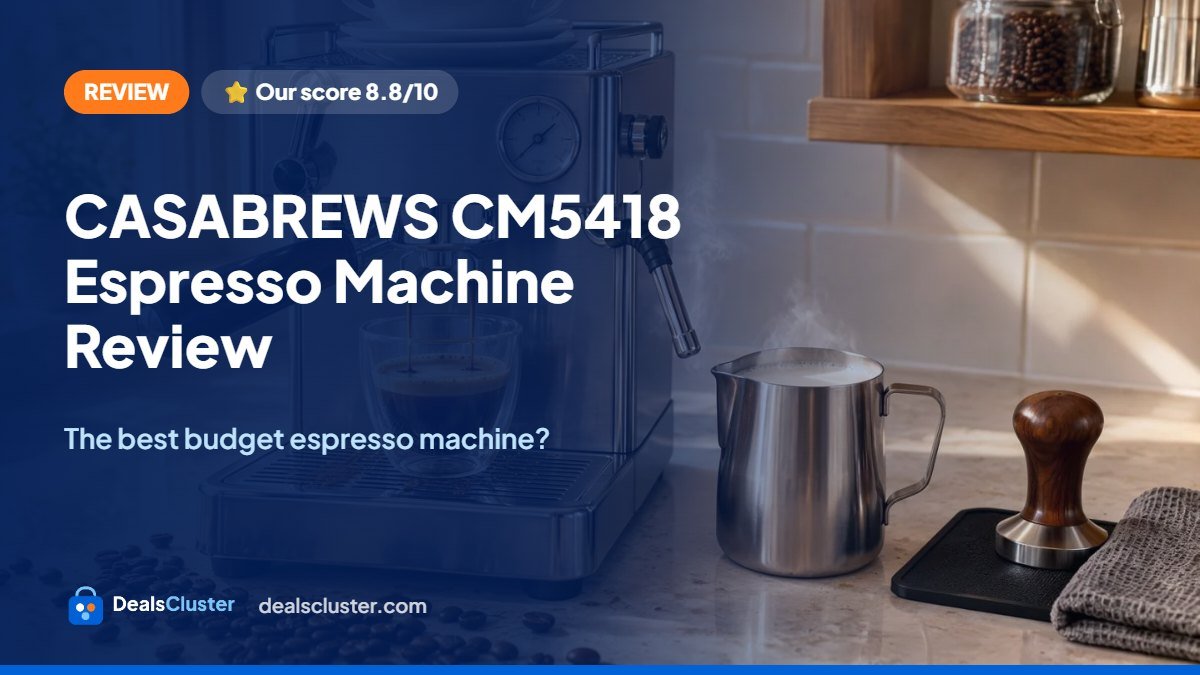
For most small kitchens, the ideal compact espresso machine balances size, pressure, a capable steam wand, and simple cleaning. The CASABREWS CM5418 is a strong example of that balance, offering a compact footprint with the features that matter for daily espresso and milk drinks. Its size suits tight counters, and its straightforward controls make it approachable for beginners while still rewarding better technique as you learn.
Tips for Better Espresso at Home
Once your machine is in place, a few habits will lift your coffee dramatically. Use fresh beans, store them away from light and air, and grind just before brewing. Preheat your cup with hot water so your espresso stays warm. Tamp evenly and with consistent pressure, and pay attention to how long your shot takes to pour. A shot that runs too fast is usually under-extracted and sour, while one that drips slowly is often over-extracted and bitter. Small adjustments to grind size will fix most problems. Keep a notebook of what works and your coffee will improve week by week.
Ready to upgrade your mornings? Check the CASABREWS CM5418 on Amazon and see if it fits your kitchen.
For the full feature rundown and our hands-on verdict, read our CASABREWS CM5418 espresso machine review.