How to Choose Coffee Beans for Espresso
Learning how to choose coffee beans for espresso is one of the fastest ways to improve your home shots. The machine matters, but the beans matter more. Great beans can make a modest machine shine, while stale or poorly matched beans will disappoint no matter how good your equipment is.
This guide covers roast level, origin, blends versus single origins, freshness, and how to find the beans that suit your taste.
Start With the Roast Level
Roast level has the biggest effect on how your espresso tastes. Medium roasts tend to balance sweetness, acidity, and body, giving you a rounded shot with chocolate and caramel notes. Dark roasts bring out bolder, smokier, more intense flavors with lower acidity, which many people associate with classic espresso.
Light roasts are trickier for espresso. They can taste bright and fruity, but they are also more likely to taste sour if the extraction is not dialed in. For beginners, a medium or medium-dark roast is the safest starting point, because it is more forgiving and produces a balanced shot across a wider range of grind settings.
Look for bags labeled as espresso roast or espresso blend. These are roasted with espresso brewing in mind, so they are a reliable place to start.
Blends vs Single Origins
Espresso blends combine beans from two or more origins to create a balanced, consistent flavor. A blend might pair a chocolatey bean with a brighter, fruitier one to get the best of both. Blends are popular for espresso because they are designed to taste good shot after shot, and they are usually more forgiving of small mistakes in grind or dose.
Single-origin beans come from one farm or region, and they showcase a specific flavor profile. They can be exciting and distinctive, but they are also less predictable. A single origin that tastes wonderful as drip coffee might taste too acidic or too thin as espresso.
If you are just starting out, begin with a blend. Once you are comfortable pulling consistent shots, experiment with single origins to discover what you like.
Origins and Flavor Notes
Different growing regions produce different flavors. Beans from South America often taste nutty and chocolatey, with a smooth, heavy body. Beans from Africa tend to be brighter, with fruity or floral notes. Beans from Asia and the Pacific often bring earthy, spicy, or herbal flavors.
These are general tendencies, not rules. The specific farm, the altitude, and the processing method all shape the final cup. Reading the tasting notes on the bag is a good way to narrow down your choices, but the real test is always in the cup.
When you find a bean you like, note the origin and roast level so you can find similar coffees in the future. Keeping a simple tasting journal helps you build a sense of your own preferences over time.
Freshness Matters Most
No matter which beans you choose, freshness is the single most important factor. Coffee is best within a few weeks of roasting. After that, the aromatic oils fade, the crema thins, and the shot tastes flat.
Always check the roast date on the bag, not just the best-by date. A bag roasted a month ago will still make drinkable espresso, but a bag roasted last week will taste noticeably better. Buy whole beans and grind them just before brewing for the freshest flavor.
Store your beans in an airtight container away from light, heat, and moisture. Avoid the fridge, where condensation and food odors can spoil the coffee. A cool kitchen cupboard is ideal.
How to Test New Beans
When you try a new bag, give yourself a few shots to dial it in. Start with your usual grind and dose, then taste and adjust. If the shot is sour, grind finer. If it is bitter, grind coarser. Keep notes so you can repeat what works.
Try the espresso on its own first, without milk, so you can taste the bean clearly. Then try it in your favorite milk drink to see how the flavors hold up. Some beans that taste intense on their own become beautifully smooth in a latte.
Do not judge a bean on a single shot. Your first attempt with a new coffee is rarely your best. Give it three or four shots before you decide.
Finding Your Favorite
The best espresso bean is the one you enjoy drinking every day. Some people love a dark, bold shot, while others prefer a sweet, chocolatey medium roast. There is no single right answer, and exploring different beans is part of the fun of home espresso.
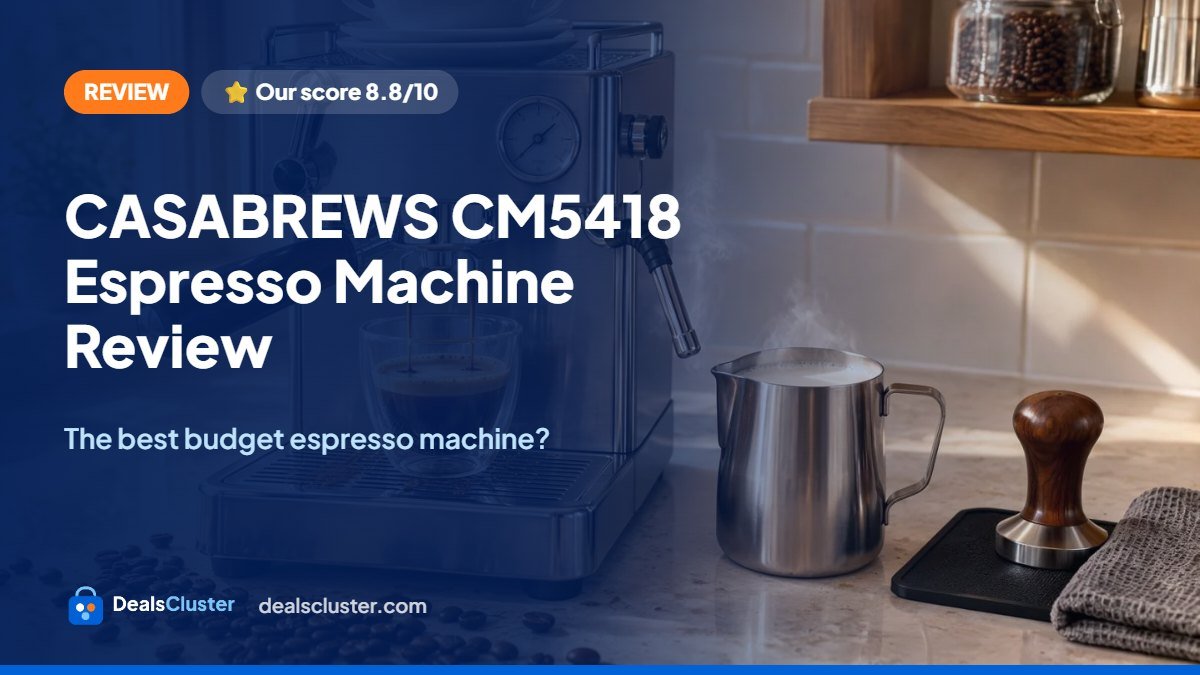
Once you have beans you love, a reliable home machine makes the most of them. A compact espresso machine with a 20-bar pressure pump and a steam frother wand gives you the tools to pull great shots and steam milk for cafe-style drinks. Our CASABREWS CM5418 review covers one popular option, and you can check out the CASABREWS CM5418 on Amazon for more details.
As an Amazon Associate I earn from qualifying purchases.