How to Make Espresso at Home: A Beginner’s Guide
Learning how to make espresso at home is one of the most rewarding kitchen skills you can pick up. A good shot of espresso is rich, aromatic, and deeply satisfying, and once you understand the basics, you can make cafe-quality drinks in your own kitchen any time you like.
This guide walks you through the whole process, from choosing beans to pulling your first shot. You do not need years of experience or expensive training. You just need decent coffee, fresh water, and a little patience while you practice.
What You Need to Get Started
At minimum, you need an espresso machine, freshly roasted coffee beans, a grinder, and a tamper. A kitchen scale is very helpful too, because consistent dosing is one of the biggest factors in repeatable results.
Fresh beans matter more than any gadget. Coffee begins losing aroma soon after roasting, so look for beans with a recent roast date. Whole beans stay fresh far longer than pre-ground coffee, so grinding right before you brew makes a real difference.
Filtered water is worth using if your tap water is hard or has a strong taste. Since espresso is mostly water, whatever is in your water ends up in your cup.
Choosing and Grinding Your Beans
Espresso works best with beans roasted for espresso, which are typically medium to dark roasts. These roasts bring out the chocolatey, caramel, and nutty notes that shine in a concentrated shot.
Grind size is critical. Espresso needs a fine grind, similar in texture to table salt or fine sand. If the grind is too coarse, water flows through too fast and the shot tastes sour and thin. If it is too fine, the water struggles to get through and the shot tastes bitter.
Start with the grinder setting recommended for espresso and adjust from there. Small changes make a big difference, so change one variable at a time and taste the result.
Step by Step: Pulling Your First Shot
- Warm up your machine. Turn it on and let it heat fully. Run a blank shot of hot water through the group head to warm the portafilter and your cup.
- Dose your coffee. Weigh out your grounds and add them to the filter basket. A common starting point is around 18 grams for a double shot.
- Distribute and tamp. Level the grounds evenly, then press down firmly and evenly with your tamper. The surface should be flat and level.
- Lock in and brew. Insert the portafilter into the group head and start the extraction right away. A well-pulled double shot usually takes roughly 25 to 30 seconds.
- Watch the flow. The espresso should start as slow drips, then flow in a steady, thin stream that looks like warm honey. The crema on top should be golden-brown.
- Stop and taste. Stop the extraction once you have your target amount, then taste. Adjust your grind finer or coarser based on whether the shot was sour or bitter.
Getting Your Milk Right
If you enjoy lattes and cappuccinos, milk steaming is the next skill to learn. Start with cold milk in a cold pitcher, and fill it no more than halfway to leave room for expansion.
Position the steam wand just below the surface of the milk and open the steam. You want to hear a gentle hissing sound as air is introduced, then lower the pitcher slightly to create a whirlpool that mixes the milk into a smooth, glossy texture. The goal is silky microfoam, not stiff bubbles.
Always wipe and purge the steam wand immediately after use. Dried milk is hard to remove and can affect the taste of future drinks.
Common Beginner Mistakes
The most common mistake is changing too many things at once. If you adjust the grind, the dose, and the tamp all in the same shot, you will not know what fixed or broke the result. Change one thing, taste, and then decide.
Another frequent error is skipping the warm-up. A cold machine and cold portafilter pull out far less flavor from the coffee. Give your machine time to reach temperature before every session.
Finally, do not expect perfection on day one. Every home barista pulls a few bad shots while learning. Each one teaches you something, and within a week or two of daily practice you will start to see real consistency.
Choosing a Machine to Learn On
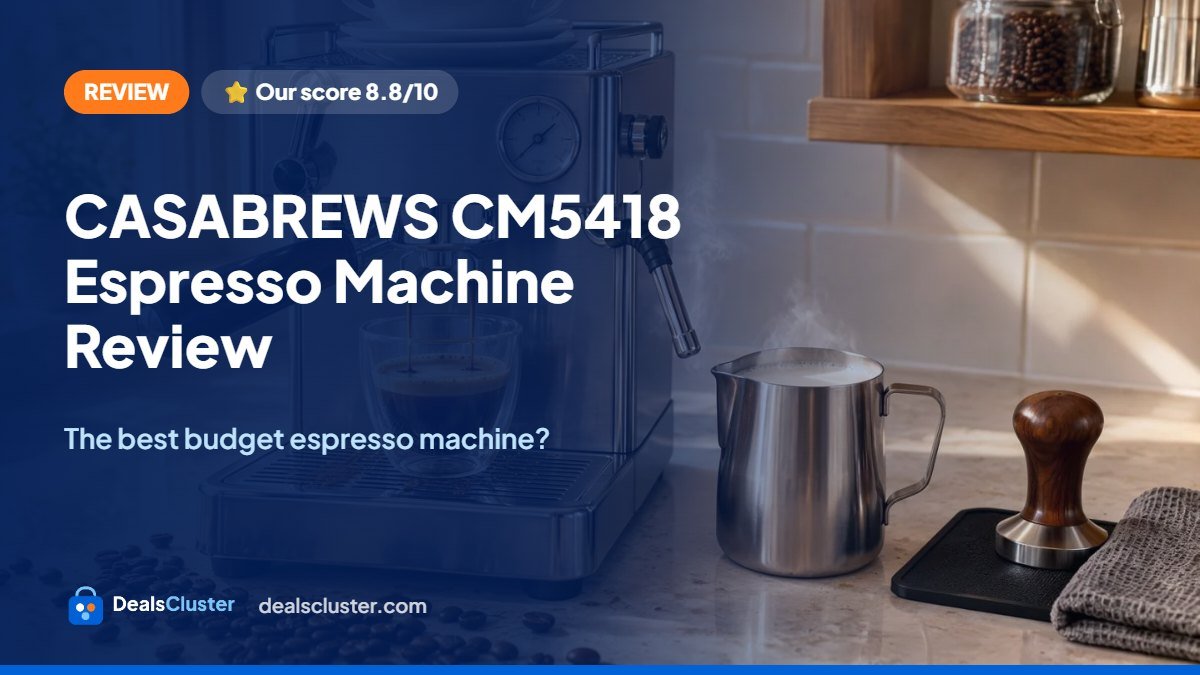
A compact home espresso machine with a 20-bar pressure pump and a steam frother wand is a great place to start, because it gives you the tools to practice both extraction and milk steaming without taking over your countertop. The CASABREWS CM5418 is one popular option in this category. You can read our full CASABREWS CM5418 review to see whether it fits your kitchen and your budget.
Making espresso at home is a skill that grows with you. Start simple, keep notes on what works, and enjoy the process. If you would like to see the machine mentioned in this guide, you can check out the CASABREWS CM5418 on Amazon for more details.
As an Amazon Associate I earn from qualifying purchases.