How to Clean Your Ninja TB401 Kitchen System
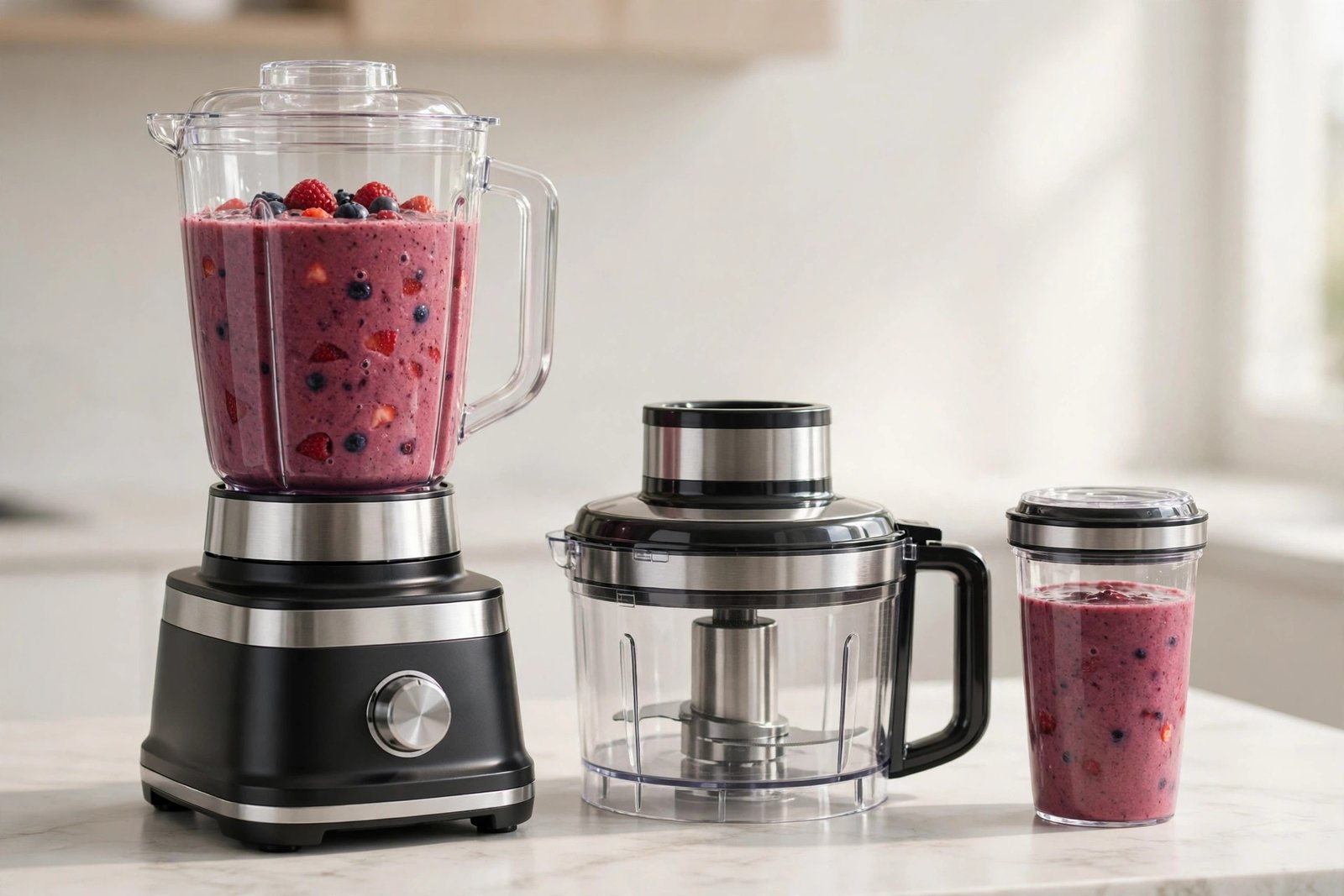
Learning how to clean Ninja TB401 parts the right way is one of the simplest habits that keeps your kitchen system working well and looking good. Because this machine combines a blender and a food processor in one base, it has a few more parts than a basic blender, but the routine is still straightforward once you know the order. A quick rinse right after use stops food from drying on the blades and pitcher walls, and a deeper clean once a week takes care of anything that collects around lids and seals.
As an Amazon Associate I earn from qualifying purchases.
Why Quick Cleaning Matters
Fresh food residue rinses away easily, but dried-on food is stubborn. Smoothie leftovers, sauces, and dough can harden quickly, especially around the blade assembly and under the lid. Cleaning promptly also prevents odors from settling into plastic parts and keeps the pitcher looking clear instead of cloudy. If you rinse parts as soon as you finish pouring, the whole job takes only a few minutes.
- Rinse the pitcher and blades right after pouring to stop residue from drying.
- Wash lids and seals often, since food and moisture collect in narrow grooves.
- Dry parts fully before storing so nothing stays damp or musty.
- Wipe the base after each session to keep splashes from building up.
What to Clean After Every Use
Every session leaves residue in a few predictable places. A fast once-over of these parts after each use covers most of the work, and the weekly deep clean handles the rest.
The Pitcher and Lids
The 72oz pitcher is the part you will wash most often, and warm soapy water is usually all it needs. Fill it partway with warm water and a drop of dish soap, let it sit for a minute or two, then wash the inside with a soft sponge and rinse well. Pay attention to the pouring spout and the rim where the lid sits, since liquids can pool there. Wash the lid separately so water reaches every surface, and let both pieces air dry upside down.
Blades and Cutting Parts
Blades deserve extra care, both for safety and for cleaning. Always handle them by the hub or handle, never by the sharp edges, and keep your fingers away from the cutting surfaces while washing. Rinse blades under running water right away, then wash gently with a sponge and soapy water, using a soft brush to reach around the center post. Rinse thoroughly and set them on a towel to dry completely before putting them away.
A Simple Daily Cleaning Routine
Once you follow the same order a few times, daily cleaning becomes automatic. Work from the messiest parts to the cleanest, and always unplug the base before you start.
- Unplug the base and remove the pitcher, lid, and blades.
- Rinse away loose food under warm running water.
- Wash each part with warm soapy water and a soft sponge.
- Rinse well and set everything upside down to air dry.
- Wipe the base with a damp cloth and dry it with a towel.
How to Do a Deeper Weekly Clean
Even with daily rinsing, a weekly deep clean is worth the effort if you use your system often. Take apart every removable piece, including lids, caps, seals, and blade assemblies, and wash each one separately. Use a small soft brush to clean grooves and the underside of lids where residue hides. Check the seal rings for trapped food, rinse them well, and let every part dry fully before reassembling.
How to Clean the Base Safely
The base holds the motor and controls, so it should never be rinsed under running water or submerged. Instead, wipe it with a damp cloth and a little dish soap, then wipe again with a clean damp cloth to remove the soap, and dry it with a towel. Use a dry cloth or soft brush to clear crumbs from around the coupling where the pitcher sits, and wipe up spills promptly so they do not dry in place.
Common Cleaning Mistakes to Avoid
A few habits can damage parts or make cleaning harder over time. Avoid them and your system will stay in better shape with less effort.
- Leaving food to dry in the pitcher for hours before washing.
- Scrubbing plastic parts with abrasive pads that leave scratches.
- Soaking blades out of sight in a full sink of soapy water.
- Putting damp parts away in a closed cabinet.
Keep Your System Fresh Between Uses
Good storage finishes the job that cleaning starts. Store the pitcher with the lid off or loosely placed so air can circulate, and keep blades in a safe spot where their edges stay protected. A clean, dry system is always ready for the next smoothie, sauce, or batch of chopped vegetables. If you are still deciding whether this combination machine suits your kitchen, you can see the Ninja TB401 Kitchen System on Amazon and check the details for yourself. For a closer look at how it performs day to day, read our Ninja TB401 Kitchen System review.