How to Make Dough in a Food Processor
Learning how to make dough in a food processor saves time and effort compared with mixing and kneading by hand. The machine combines ingredients quickly and develops the dough evenly, so you can move from dry ingredients to a smooth ball in minutes. This guide explains the technique step by step, from choosing the right blade to knowing when the dough is ready, plus tips for better texture every time.
As an Amazon Associate I earn from qualifying purchases.
Why a Food Processor Works So Well for Dough
A food processor mixes dough with speed and consistency that is hard to match by hand. The blade spins fast enough to combine dry ingredients evenly, then works the liquid through the mixture to form a dough. Because the bowl is wide and the blade sits low, the dough moves around the bowl and gets kneaded from all sides. Short pulses give you control, so you can stop as soon as the dough comes together instead of overworking it.
- Mixing is fast and even, with no dry pockets left behind.
- Kneading takes minutes instead of a long session by hand.
- Pulses let you control the texture and stop at the right moment.
- Cleanup is simple, with one bowl and one blade to wash.
Getting Set Up
Fit the processor bowl onto the base and lock it in place, then fit the dough blade or the standard chopping blade, depending on what your machine provides. Add the dry ingredients first and pulse a few times to combine them evenly. Keep the liquid nearby so you can add it gradually through the feed tube while the machine runs. Work in a batch size that suits your bowl, and avoid overfilling, since a crowded bowl mixes unevenly and strains the motor.
Mixing the Dough Step by Step
Start the machine and add the liquid slowly through the feed tube in a thin stream, a little at a time. The mixture will first look crumbly, then clumpy, and finally begin to gather into a ball that moves around the bowl. This change usually happens quickly, so watch closely and stop adding liquid as soon as the dough starts to come together. If the mixture looks dry and powdery, add a tiny bit more liquid. If it looks wet and sticky, add a small spoonful of flour and pulse again.
- Add dry ingredients to the bowl and pulse to combine.
- Start the machine and add liquid slowly through the feed tube.
- Stop adding liquid as soon as the dough starts to gather.
- Pulse until the dough forms a ball that moves around the bowl.
- Turn the dough out and shape it gently by hand.
How to Tell When Dough Is Ready
Ready dough feels smooth, soft, and slightly springy when you press it gently. It should hold together in a ball without cracking at the edges or sticking heavily to your hands. If it feels stiff and tears easily, it needs a little more liquid and a few more pulses. If it sticks to the bowl and your fingers, it needs a little more flour. Trust the feel of the dough more than the clock, since different flours absorb liquid differently.
Resting the Dough
Resting is a simple step that improves texture. Cover the dough and let it rest for a short while before shaping, so the flour fully absorbs the liquid and the dough relaxes. Rested dough is easier to roll and shape, and it springs back less when you work with it. Even a brief rest makes a noticeable difference, especially for doughs that will be rolled thin.
Common Dough Mistakes to Avoid
The most common mistake is adding too much liquid too quickly, which makes a sticky dough that is hard to fix. Add liquid slowly and stop early, since you can always add more but taking it out is much harder. Overprocessing is another common problem, because running the machine too long after the dough forms can make it tough. Use short pulses, check often, and stop as soon as the dough comes together into a smooth ball.
Practice Makes Better Dough
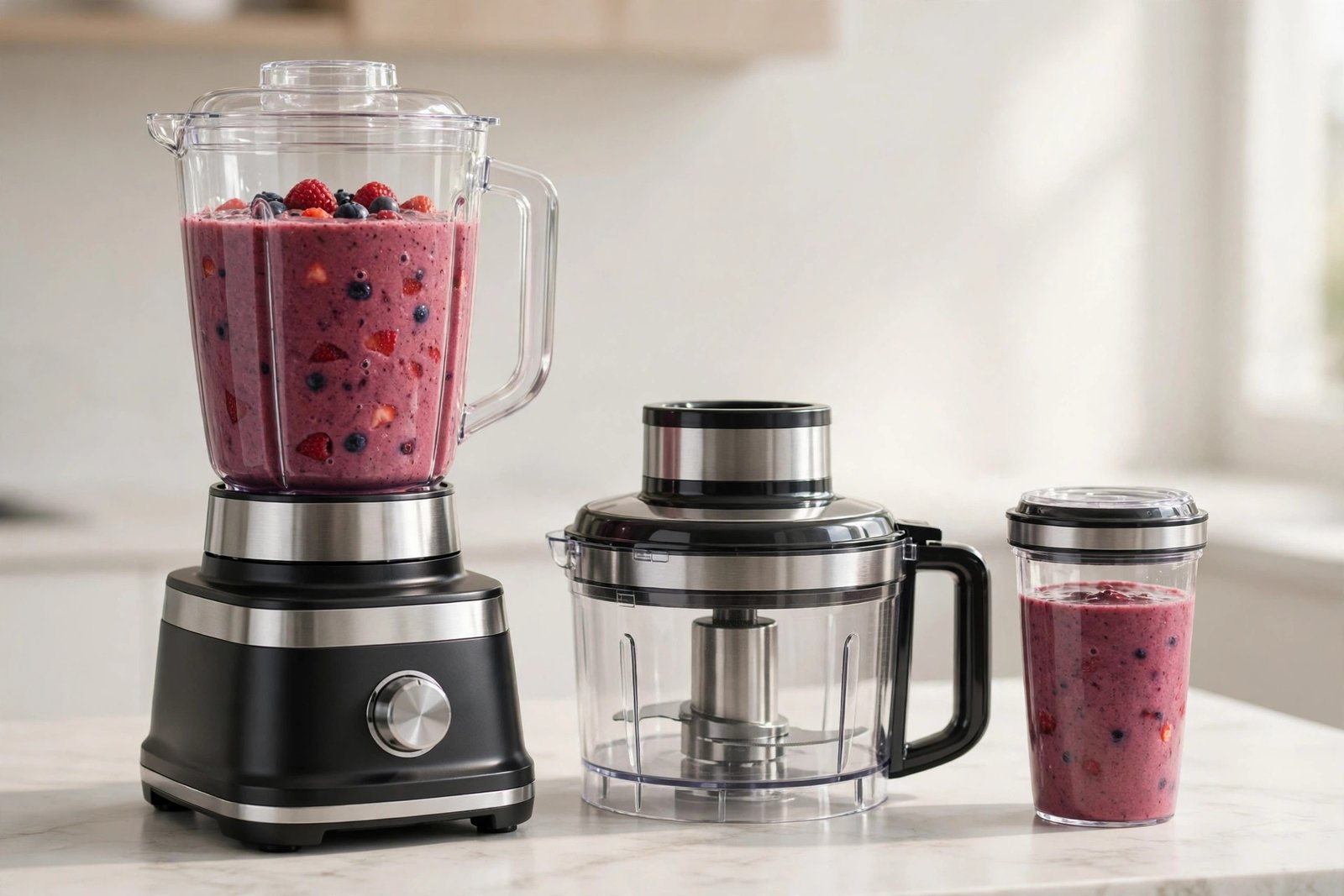
Your first few batches are about learning how the dough should look and feel at each stage. Start with a simple dough, watch it come together, and notice how it changes with each addition of liquid. A combination machine such as the Ninja Kitchen System TB401 lets you mix dough in the processor bowl and then switch to the pitcher for sauces and fillings, all on one base. If you want to see the machine for yourself, you can see the Ninja TB401 Kitchen System on Amazon and check the details. For a closer look at everyday performance, read our Ninja TB401 Kitchen System review.